Blog
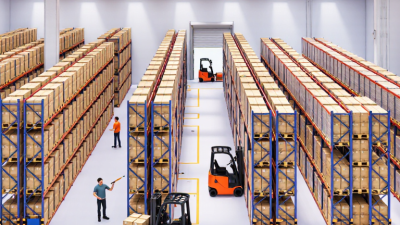
How to Choose the Right Pallet Racking System?
Choosing the right Pallet Racking system starts with the goods you store, not the products in a brochure. A warehouse holding standard pallets needs different access from one handling mixed cartons or unusually long loads. The choice affects how much stock fits, how quickly staff can reach it, and how safely daily work flows.
Start with measurements. Record pallet size, loaded weight, ceiling height, aisle width, and the clear space around columns, doors, and sprinklers. Then note how often each product moves. Fast-moving items may need direct access, while slower stock can sometimes use denser storage. Small details matter. A pallet that overhangs its beam, or a forklift that cannot turn comfortably, can undermine an otherwise tidy layout.
Selective racking offers direct access to each pallet, but uses more aisle space. Drive-in and push-back systems can increase storage density, though access and stock rotation work differently. Mobile or automated options may suit specific operations, but require careful planning and investment. No system fits every warehouse. That sounds simple. It isn't.
A floor plan alone may miss practical issues, such as changing inventory or busy crossing routes. Before choosing, confirm load requirements with reliable product documentation and seek qualified advice on the building, equipment, and applicable safety requirements. Think about future changes, too. A lower-cost layout may become restrictive as stock grows. This guide explains the main system types, the questions worth asking, and the trade-offs behind a decision that needs to work on an ordinary Tuesday, not just on paper.
Read more »
 By:Clara
- November 13, 2026
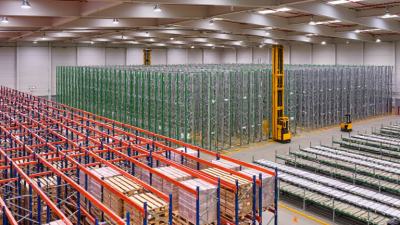
What Is the Best Pallet Storage Racking System in 2026?
Choosing the best Pallet Storage Racking System in 2026 starts with the work happening on your warehouse floor. A rack that looks efficient on a drawing may slow down forklift turns, block access to fast-moving stock, or leave awkward gaps above the pallets. The right choice depends on load weights, pallet sizes, ceiling height, inventory turnover, and how often operators need direct access.
MHI president and CEO John Paxton has discussed the need for supply chains to adapt as conditions change. The following is a paraphrase of that broader message, not a verbatim quotation: “A storage system should be ready to change with the operation.” That principle matters when a business adds product lines, changes order patterns, or introduces new handling equipment. Small details count. A few inches of clearance can affect safe, practical movement.
There is no universal winner. Selective pallet racking may suit varied stock and frequent picking. Drive-in systems can increase storage density, but they require careful planning around access and inventory flow. Push-back and pallet-flow options may help in specific high-volume operations. Trade-offs remain. A system optimized for density can make access less flexible, and a flexible layout can use more floor space.
This guide compares common rack types, their strengths, limitations, and suitability for different warehouse needs. It also considers load capacity, layout, inspection, and future expansion. Treat any recommendation as a starting point, not a substitute for a qualified site assessment. Even a well-designed rack can disappoint when real operating habits are overlooked.
Read more »
By:Clara
- November 13, 2026
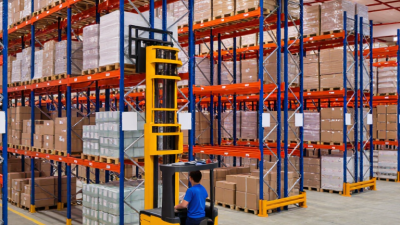
Top 10 Pallet Rack Systems Manufacturers in China
Choosing among the Top 10 Pallet Rack Systems Manufacturers in China takes more than comparing prices. Buyers need to examine load capacity, steel quality, connection design, finish, and the supplier’s engineering support. A beam may look substantial in a product photo. Its rated capacity still depends on the full configuration, including frame height, beam length, and load placement.
Quality expert W. Edwards Deming is widely associated with the reminder, “In God we trust; all others must bring data.” That principle fits this market well. Ask manufacturers for clear specifications, drawings, test records, and project references. Check whether the proposed system suits your pallet dimensions, forklift routes, ceiling height, and floor conditions. Details matter. A small mismatch can reduce usable space or complicate daily handling.
This guide compares Chinese manufacturers through practical criteria: product range, customization, manufacturing capability, quality controls, and communication. It also considers the support available after delivery, when installation questions or future expansion arise. No single supplier is right for every warehouse. Some buyers need selective access to each pallet; others prioritize dense storage or rapid picking. Treat rankings as a starting point, not a substitute for project-specific review. Even a polished catalog leaves questions unanswered. The strongest choice is the one whose documented design matches your actual loads, layout, and operating habits.
Read more »
By:Clara
- November 13, 2026