Industrial Pallet Racking & High-Density Systems
Engineered for extreme structural integrity, optimal vertical volume utilization, and full seismic resilience. Select from standard selective pallet racks to semi-automated shuttle racking.
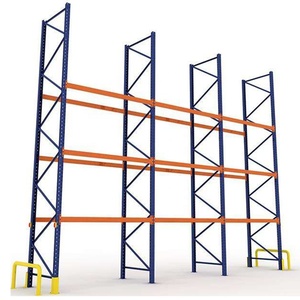
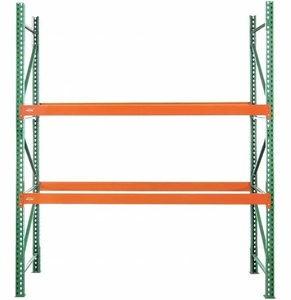
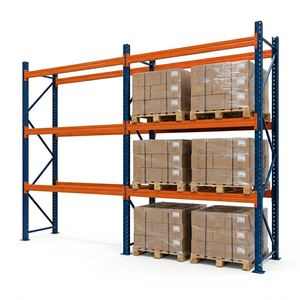
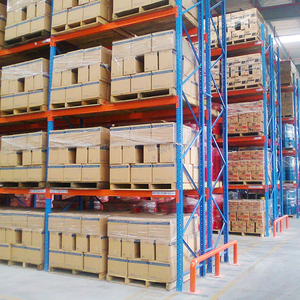
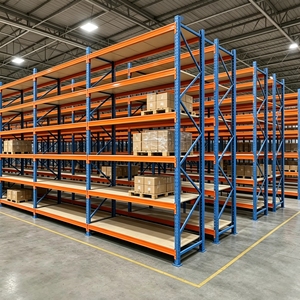
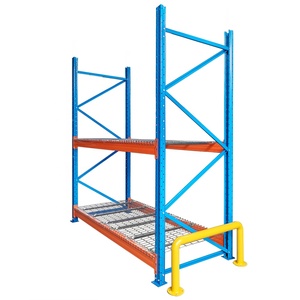
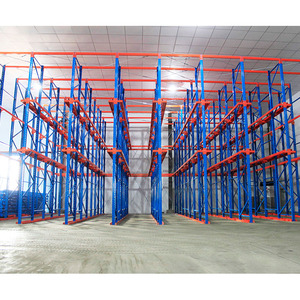
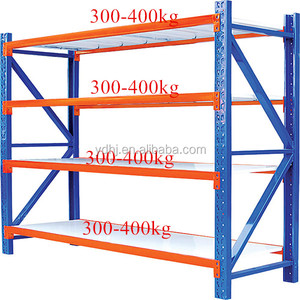
Engineering Excellence in Warehouse Heavy-Duty Pallet Racking Systems
Modern distribution centers, third-party logistics (3PL) hubs, and industrial manufacturing plants operate under relentless pressure to maximize volumetric utilization while guaranteeing zero structural failure risks. Selecting the ideal structural warehouse pallet storage rack supplier requires more than checking price points—it demands structural calculation integrity according to EN 15512, seismic performance verification under SIA 261 / FEM 10.2.08, and strict adherence to material yield strengths.
Information Gain Insight: Structural rack failure in high-bay installations rarely stems from steel profile thickness alone, but rather from cold-formed upright profile geometry, beam end-connector hook engagement efficiency, dynamic sway stiffness, and floor anchorage shear limits under finite element analysis (FEA).
Comprehensive Racking Architecture Comparison Matrix
To assist warehouse infrastructure teams and procurement managers, the following empirical matrix breaks down primary heavy-duty pallet rack configurations by storage density, selectivity, and mechanical handling equipment (MHE) compatibility:
| Racking Architecture | Storage Density | Pallet Selectivity | Pallet Access Logic | Optimal SKU Profile | Relative Cost / Position |
|---|---|---|---|---|---|
| Selective Pallet Rack | Standard (40-50%) | 100% Direct Access | FIFO (First-In, First-Out) | High SKU count, Low inventory/SKU | Baseline (Low) |
| Radio Shuttle Racking | Very High (75-85%) | Channel Selective | FIFO / LIFO (Flexible) | Medium SKU count, High volume | Moderate-High |
| Drive-In / Drive-Through | High (65-75%) | Lane Selective | LIFO (Drive-In) / FIFO (Drive-Thru) | Low SKU count, High pallet volume | Moderate |
| Teardrop Racking (US Type) | Standard (40-50%) | 100% Direct Access | FIFO | Standard North American Logistics | Low |
| Automated High-Bay ASRS | Maximum (85-95%) | 100% Automated | Computer-Optimized WMS | High Velocity, 24/7 Operations | High Investment (Automated) |
Future Strategic Sourcing Trends in Pallet Racking (2025–2030)
Warehouse logistics is undergoing a radical transition driven by space scarcity, labor costs, and automated integration. B2B rack sourcing decisions made today must accommodate future automation standards.
1. Integration with AMRs & AGVs
Conventional pallet racking is being engineered with wider floor clearances, precision-guided baseplates, and laser-reflective target zones. Modern racks must tolerate the millimetric docking precision of Autonomous Mobile Robots and Automated Guided Vehicles without beam deflection distortion.
2. Green Steel & Decarbonized Supply Chains
Global procurement policies now mandate Environmental Product Declarations (EPD). Upstream suppliers using electric arc furnace (EAF) recycled Q355B structural steel significantly decrease Scope 3 supply chain carbon emissions compared to traditional blast-furnace processing.
3. Seismic Resilience to SIA 261 & FEM 10.2.08
Seismic design is no longer limited to active fault lines. Modern EN 15512 calculations evaluate dynamic acceleration loads across European and global zones, employing enlarged anchor footprints, heavy-duty row spacers, and ductile frame bracing to absorb kinetic energy during seismic events.
Helvetia-Standard Structural Engineering & Precision Manufacturing
As a recognized market leader and trusted warehouse pallet storage racks supplier & wholesaler, our production infrastructure operates under stringent ISO 9001 quality control protocols. We bridge the gap between high-volume manufacturing capacity and customized structural engineering.
Every upright frame, box beam, and cross-bracing component is manufactured from certified high-tensile cold-rolled steel. Our structural engineers provide stamped calculations, CAD layout drawings, finite element analysis reports, and load notices tailored to your exact facility dimensions and floor slab load capacity.
Turnkey Supply Chain Capabilities
- Custom Section Profiles: Upright widths from 80mm to 120mm with steel thicknesses from 1.5mm to 2.5mm.
- Safety Accessories: Integrated wire mesh decking, heavy-duty upright frame protectors, rack end guards, and pallet back-stops.
- Multilingual Project Support: Structural consultation offered in English, German, French, and Italian.
- Annual Inspection Compliance: Complete engineering support for mandatory EN 15635 annual safety audits.
Pallet Racking Procurement & Structural FAQ
Technical, structural, and compliance answers provided by our senior racking engineers to assist warehouse operations teams in procurement decisions.
1. What is the significance of EN 15512 standard in structural pallet rack design? +
EN 15512 is the European standard for the structural design of adjustable pallet racking systems. It specifies stress analysis methodologies, safety factors, beam deflection limits (typically L/200), upright profile buckling resistance, and connector hook shear resistance. Sourcing EN 15512 compliant racking guarantees that structural static calculations account for global sway stiffness, pattern loading phenomena, and imperfections in upright alignment, protecting your facility against catastrophic collapse.
2. How does Q355B steel compare to Q235B steel in pallet rack manufacturing? +
Q355B steel possesses a minimum yield strength of 355 MPa, whereas Q235B yields at 235 MPa. Utilizing Q355B high-tensile steel for upright frames allows for thinner steel profiles while maintaining equivalent or higher load capacities, effectively reducing total shipping weight and cost per pallet position. Q235B is frequently utilized for standard load box beams or un-stressed racking accessories where raw elastic modulus is the dominant design parameter.
3. Can your racking systems be engineered for cold storage facilities (-25°C)? +
Yes. Low temperatures induce embrittlement in standard carbon steels and can degrade conventional powder coatings. Our cold-storage pallet racks utilize specialized steel grades with certified impact energy absorption (Charpy V-notch tested) at sub-zero temperatures. Furthermore, we apply heavy-duty hot-dip galvanizing (ISO 1461) or specialized low-temperature powder coatings to prevent flaking, rust migration, and structural thermal contraction stress.
4. Why choose Wire Mesh Decking over traditional timber or steel panels? +
Wire mesh decking offers three critical engineering advantages: First, it satisfies ESFR (Early Suppression, Fast Response) fire sprinkler safety standards by permitting water penetration through rack levels. Second, it prevents dust and debris accumulation. Third, it provides uniform support for broken or non-standard pallets, preventing accidental drop-throughs while supporting layer loads up to 2500kg.
5. What floor slab requirements are necessary for installing heavy-duty pallet racks? +
Industrial racking requires a reinforced concrete floor slab with a minimum compressive strength of C20/25 or C25/30, according to EN 206. Floor slab thickness generally ranges from 150mm to 250mm, capable of bearing point anchor loads from baseplates ranging from 15 kN to over 80 kN per upright column. Floor levelness tolerances should adhere to EN 15620 Class 300 or FM2 specifications to prevent rack tilting.
6. How does Radio Shuttle Racking optimize warehouse volume compared to Selective Racking? +
Radio Shuttle Racking eliminates forklift aisles by using semi-automated robotic shuttles running inside deep storage channels (up to 40+ pallets deep). This increases storage density from ~45% in selective layouts up to 80-85% overall volumetric space utilization. It significantly reduces forklift travel distances, operator labor costs, and rack collision damage, making it ideal for food, beverage, and cold storage logistics.
7. What safety factors are incorporated into beam end-connectors (rack safety pins)? +
Beam end-connectors are equipped with automatic spring-loaded safety locks (safety pins). These pins prevent accidental beam dislodgement caused by upward forklift mast movements during pallet retrieval. Under EN 15512 standards, safety pins must withstand an upward vertical shear force of at least 5.0 kN without unhooking or failure.
8. What documentation is required for local warehouse building permits and safety audits? +
For municipal building compliance and OSHA/EN 15635 audits, we supply a complete engineering package including: Structural Static Calculation Dossiers, Structural Engineer Stamped Drawings, Material Mill Test Certificates (MTCs), Anchor Pull-Out Test Reports, and EN 15635 compliant permanent metal Load Plaques detailing beam capacities and safety parameters.
9. What is the recommended frequency for warehouse rack safety inspections? +
According to EN 15635, rack operators must conduct regular internal visual inspections (weekly or monthly) alongside a mandatory expert inspection every 12 months by a certified rack inspector. Damaged components must be categorized under Green, Amber, or Red hazard levels, with Red level damage requiring immediate unloading and isolation of affected bays.
10. Can custom dimensions, non-standard colors, and OEM branding be provided? +
Yes. As a direct factory manufacturer and wholesaler, we accommodate custom frame depths (600mm to 1500mm+), frame heights up to 15+ meters, custom beam spans, RAL color matching for powder coating, and OEM branding for system integrators and large-scale wholesale distributors.
Ready to Maximize Your Warehouse Volumetric Efficiency?
Consult with our senior structural engineers today. Receive custom CAD layouts, static calculations, and factory-direct wholesale pricing tailored to your logistics requirements.
Inquire Now