Engineered Heavy-Duty Racking Systems & Global Supply Compliance
In modern supply chain management, structural integrity and spatial efficiency govern operational profitability. As leading direct-factory suppliers of industrial storage systems, our manufacturing facility engineers high-yield strength steel racking systems compliant with European Standard EN 15512, FEM 10.2.02, and CE Certification directives. By utilizing high-tensile Q235B and Q355B structural steel coupled with precision cold roll-forming, we provide global enterprises with robust, seismically validated pallet racking and industrial shelving tailored for high-throughput fulfillment centers, cold storage operations, and heavy industrial distribution.
CE Certified Heavy-Duty Racking & Specialized Shelving Solutions
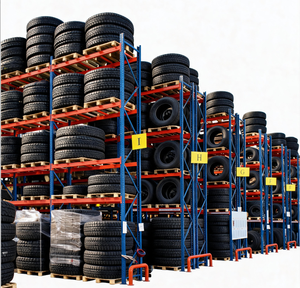
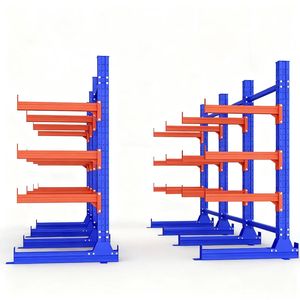
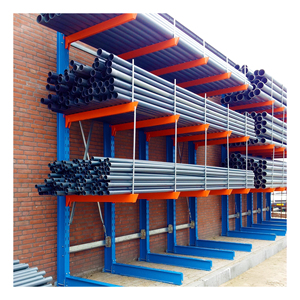
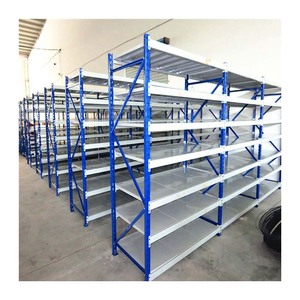
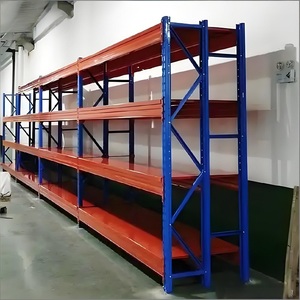
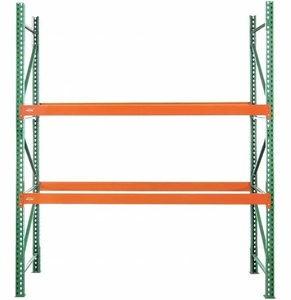
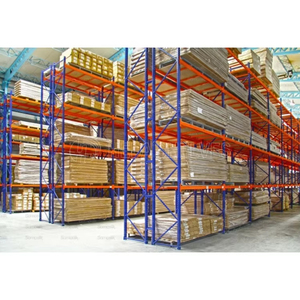
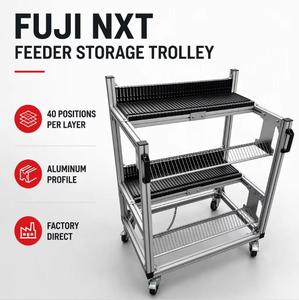
Select from our benchmark industrial configurations engineered for optimum unit load capacity, structural safety, and high-density warehouse storage.
Engineering Principles & Compliance Framework for CE Certified Industrial Racking
When procuring heavy-duty industrial shelving and pallet racks at scale, supply chain executives and logistics engineers must look beyond nominal dimensions and evaluate the structural physics, metallurgical integrity, and regulatory certifications of prospective manufacturing partners. CE marking on industrial racking systems is not merely a label; it confirms that structural steel framing meets rigorous European health, safety, and environmental protection requirements mandated under EN 15512 (Steel static storage systems - Adjustable pallet racking systems - Principles for structural design).
Metallurgical Integrity & Cold Roll-Forming
Utilizing high-grade Q235B and Q355B cold-rolled structural steel, our upright frames undergo multi-stage continuous roll-forming. This process work-hardens the steel profile, significantly increasing yield strength and torsional stiffness under high eccentric loading conditions.
EN 15512 & FEM 10.2.02 Standards
Structural calculations undergo rigorous finite element analysis (FEA) to verify member buckling limits, beam-to-upright connection stiffness, and floor anchoring shear strength under dynamic impact factors and operational tolerances per EN 15620.
Seismic Resilience (SIA 261 / FEM 10.2.08)
For installations in active seismic zones, systems are designed with custom baseplate anchor geometries, heavy-duty diagonal bracing trusses, and high-ductility steel alloys capable of absorbing lateral ground acceleration without catastrophic structural collapse.
Comparative Structural Steel Engineering Matrix
Understanding the technical differences between standard commercial shelving and heavy-duty industrial pallet racking systems is critical for safety compliance and risk mitigation.
| Engineering Criteria | Standard Warehouse Shelving | CE Certified Heavy-Duty Pallet Racks | Automated / Shuttle Racking Systems |
|---|---|---|---|
| Steel Grade Specification | Q195 to Q235 Commercial Steel | Q235B / Q355B Structural Alloy | High-Tensile Q355B / Micro-alloyed Steel |
| Load Rating Capacity | 100 kg – 500 kg / Level | 1,000 kg – 4,500 kg / Beam Pair | 1,500 kg – 2,000 kg / Pallet Unit |
| Deflection Limitation | Maximum L/150 | Strict L/200 (per EN 15512) | Ultra-precise L/300 to L/400 |
| Surface Finish Technology | Basic Spray Paint / Dip Coating | Thermosetting Powder Coat (60-80μm) | Heavy-Duty Galvanized / Epoxy Powder |
| Safety Connector Locks | Optional / Friction Pin | Automatic Spring-Steel Safety Locks | Integrated Mechanical Retaining Clips |
Global Procurement Trends in Industrial Storage (2025–2030)
The industrial warehousing landscape is undergoing a systemic transition driven by land scarcity, rising labor overheads, and the rapid expansion of automated material handling equipment (MHE). As procurement directors evaluate long-term capital expenditure (CapEx) investments in warehouse storage, several macro-trends govern factory selection:
- Shift from Initial Tonnage Price to Total Cost of Ownership (TCO): Smart buyers no longer evaluate suppliers solely on steel price per metric ton. TCO metrics account for beam deflection stability, finish durability under forklift abrasion, modular reconfigurability, and safety compliance that prevents expensive warehouse downtime or structural damage.
- Pre-Engineering for Hybrid Automation: Procurement strategies increasingly favor racking frameworks pre-configured to accept future semi-automated components—such as radio shuttle carts, AGV floor paths, or overhead conveyor supports—without requiring complete structural teardowns.
- High-Density Vertical Footprint Optimization: Industrial land costs in key distribution corridors have pushed storage heights upwards. High-bay racking installations (exceeding 12 meters) require stringent cold-rolled profile tolerances ($\pm 0.5\text{mm}$) to maintain vertical plumbness and prevent cumulative column leaning.
- Environmental, Social, and Governance (ESG) Directives: Industrial buyers demand zero-VOC powder coating processes, fully traceable steel mill origins (ISO 14001 certification), and recyclable steel components that support corporate carbon-neutrality mandates.
Future Technological Trends in Racking Architecture
The next decade of industrial storage will bridge physical steel structures with cyber-physical telemetry systems. Innovations transforming heavy-duty racking manufacturing include:
IoT Structural Impact Sensors
Integration of wireless tri-axial accelerometers inside lower upright columns to detect forklift impacts instantly, logging load-exceedance events and alerting facility managers to perform EN 15635 structural damage inspections before failure occurs.
Automated Shuttle Integration
Deep-lane radio shuttle racking systems paired with lithium-ion power cells, capable of operating flawlessly in sub-zero cold storage environments down to -28°C while maximizing pallet density by eliminating internal forklift access aisles.
Laser-Guided Automated Roll-Forming
Factory production lines utilizing real-time laser measurement to inspect upright beam perforation pitch during cold-rolling, eliminating frame twist and ensuring 100% inter-changeability of beam levels across global multi-site deployments.
Frequently Asked Questions by Industrial Racking Buyers
Addressing key technical, compliance, and purchasing considerations for warehouse operational planners.
1. What structural certifications should I require from an industrial racking factory?
2. How do I calculate the correct beam load capacity for high-bay pallet racking?
3. What is the difference between teardrop racking and European box-beam selective racking?
4. How often should industrial shelving systems undergo formal safety inspection?
5. Can industrial pallet racks be customized for seismic active regions or cold storage?
Request a Customized Structural Layout & Factory Direct Quote
Consult with our senior structural engineers today. We provide CAD layout designs, finite element structural calculations, and CE-compliant factory manufacturing proposals for your warehouse projects worldwide.